How Modern Piping Systems Reduce Maintenance Costs in Industrial Units

Can you imagine that a simple piping system can reduce maintenance costs in the industrial units? Piping systems in any industrial unit carry water, chemicals, gases, and other essential fluids that run the operations smoothly. But in the event of a sudden operational failure of the piping system, it results in negative consequences such as increased repair costs, increased downtime, and operational disruption.

In such circumstances, industrial units adopt modern piping systems that reduce long-term maintenance costs and ensure smooth operational flow. But industrial units need to choose a trusted cast iron pipe supplier to ensure the safety of the industrial piping systems.

Let’s explore this blog to understand how modern piping systems reduce maintenance costs in industrial units.

Major Drawbacks of the Traditional Piping System

Traditional piping systems in industrial units come with so many drawbacks; let’s discuss them in detail-

  1. Frequent leakages and repairs
  2. Corrosion-related damage
  3. Higher downtime during replacements
  4. Increase in energy consumption
  5. Safety risks and compliance issues

Over time, these drawbacks become a critical issue for industrial operations and lead to massive maintenance costs that can drain your profit margin.

Usefulness of Modern Piping Systems in Industrial Work

Modern piping systems are engineered with advanced materials, protective coatings, and precision manufacturing. These unique mechanisms make the modern piping system effective and beneficial for industrial work.

  • Higher durability and strength
  • Resist corrosion and wear.
  • Better pressure handling capacity
  • Longer service life

An advanced iron-made piping system can last 50 to 100 years with proper maintenance, significantly reducing maintenance costs and ensuring a positive profit margin.

How Modern Piping Systems Reduce Maintenance Costs

If you are curious about how modern piping systems reduce industrial maintenance costs, you must read this segment.

A longer lifespan indicates lower replacement costs

The modern piping system is popular for its longevity. A high-quality piping system can withstand various factors. Let’s discuss it in detail-

  • Extreme pressure
  • Heavy industrial loads
  • Environmental stress
  • Chemical exposure

Reducing the cost of piping system replacement can save both labor and material costs. Thus, in the long run, a robust piping system becomes a strong infrastructure for industrial operations.

Reduce maintenance frequency

Modern piping systems are designed to maintain minimum intervention. The latest improved materials and advanced technology make the piping system more useful and cost-effective for industrial operations. It reduces leaks, structural failure, and wear and tear. Overall, this scenario can improve industrial operations and ensure safety.

Superior corrosion resistance

Corrosion is one of the major causes of pipeline failure in industrial units. Whereas modern piping systems mainly consist of cost-saving features.

  • Use of Advanced internal linings
  • External protective coating
  • Premium material composition

These essential features act as a protective barrier for the piping system and help prevent damage, improving service life. It results in fewer breakdowns, fewer repairs, and reduced industrial maintenance costs.

Prevent leaks and reduce downtime

Leakage in the traditional piping system can be costly because it can disrupt the entire operation. In such a situation, modern piping systems such as IS 15905 offer several benefits-

  • Strong joint mechanisms
  • Resists high pressure
  • Better sealing technology

Energy efficiency can cut operational costs

The modern piping system is famous for energy efficiency. With smooth internal surfaces and a better flow design, fluid moves more easily, with less resistance, reducing operational costs. Over time, this energy savings can significantly improve the overall cost reduction in industrial operations.

Conclusion

Modern piping systems act as infrastructure for industrial units. If an industrial unit wants to reduce maintenance costs and improve operational efficiency, it must focus on a robust piping system from BIC (Bengal Iron Corporation). We provide an advanced piping system for industrial development.
What Makes Hubless Iron Pipes Best for Building Projects?

At the time of carrying out building projects, several components are used. Among them, pipings form the most vital ones. Present-day building projects prefer going with cast iron over plastic piping.

Did you ever wonder about the actual cause for such a big change in terms of preferences? Highest reliability, longevity, and control over noise are some remarkable characteristics associated with cast iron pipes & fittings.

They have been considered among the time-tested solutions that are powering the drainage networks of India.

What role do Hubless Cast Iron Pipes play?

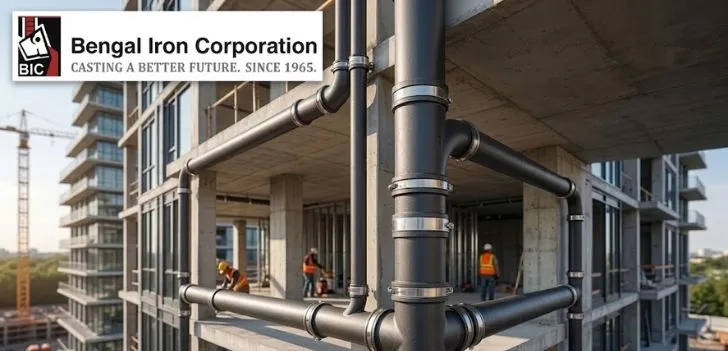
Unlike the old-fashioned cast-iron designs, hubless pipes do not comprise an enlarged end. Here, sections are joined with each other with the help of stainless steel couplings and rubber gaskets.

Such a great feature not only simplifies the installation part, but also makes it easy to replace in case of highly confined spaces. To get an idea about the variety of features, it will be good to go through the decent available hubless cast iron pipe price list by top manufacturers.

Are Hubless Cast Iron Trustworthy Enough?

Plastic pipes may win in terms of weight and cost, but in terms of strength and durability, cast iron pipes are preferable. In addition, their incredible longevity makes them among the most popular options for carrying out building projects.

If properly installed, then these pipes may last for over fifty years. This will protect the building as well as prevent the occupants from any type of accidents. Usually, the noise of water from pipes may seem very frustrating.

On the contrary, dense iron pipes absorb the noise that is the result of water flow. Such a great characteristic makes these pipes among the indispensable parts in high-rise apartments plus hospitals.

Are Cast Iron Rods Resistant to Fire Accidents?

Unlike PVC pipes, cast iron hardly emits any toxic fumes. Also, they do not melt easily during a fire, which has led to their being considered among the safer choices in almost every type of infrastructure.

From residential building projects to hospitals, almost everywhere, cast iron pipes & fittings are being installed. In terms of maintenance, low maintenance is the need to ensure smooth functionality.

Being resistant to warping, UV damage, and pests, cast iron pipes last for a long time. Just applying a colored coating quite often may prevent it from early rusting.

What are the Key Areas of Applications of Hubless Iron Pipes?

The applications for cast iron are not limited to fancy hotels and school buildings. They, for their exceptional features, are being used in modern-day construction facilities too.

Though the list is endless, some of the most common ones include the following:

  • Shopping malls
  • Airports
  • Drainage system
  • Premium apartments
  • Food-processing units
  • Manufacturing industries

As a Conclusion!

From above, it is clear that there are special features that make hubless cast iron among the most adorable choices for construction projects. Are you planning to include superb-quality manholes in and around your property?

Then your search for a trustworthy Manhole Cover Manufacturer in India may conclude at BIC. Among a wide range of options available, you can easily go with the one that matches your specifications.

How Durable Pipelines Improve Long-Term Wastewater Performance

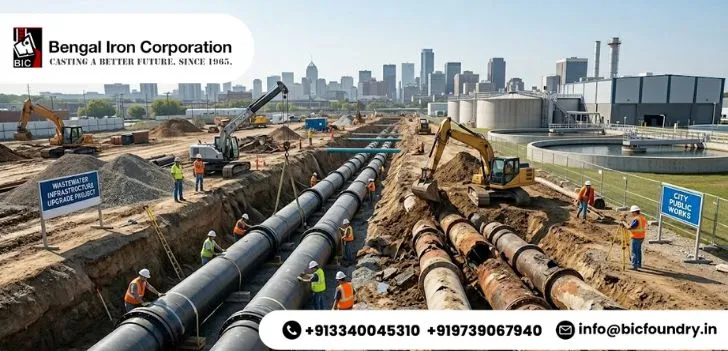
Wastewater management is one of the most vital tasks of modern infrastructure. Whether in industrial plants, municipal drainage systems, commercial facilities, or urban developments, pipeline systems are essential to every sector, enabling the safe and efficient removal of wastewater. But the most significant problems in a wastewater pipeline system are sudden leakage, corrosion, structural damage, and blockages.

In most cases, pipeline damage occurs due to poor design and the use of inferior materials. To address this challenge, industrial units and municipalities focus on durable piping solutions that withstand heavy loads and harsh environments. In such a scenario, an industrial unit depends on top-notch cast iron fittings manufacturers to buy durable, high-quality cast iron pipes for wastewater management. For long-term industrial infrastructure development, cast iron pipe is highly effective.

Now, let’s explore this blog to understand how durable pipelines can efficiently improve long-term wastewater performance.

Application of a durable pipeline for Wastewater Management

Durable wastewater pipelines that are made of cast iron are highly essential across several industries, such as.

  1. Municipal infrastructure
  2. Industrial plants
  3. Chemical processing plants
  4. Power plants
  5. Commercial infrastructure

How Durable Pipelines Improve Wastewater Performance

In this section, we will discuss how durable pipelines improve wastewater performance in the industry.

Better corrosion resistance

One of the biggest advantages of durable pipelines is their resistance to corrosion. When wastewater passes through pipelines, it mainly consists of moisture, chemicals, and different pH levels. Thus, a high-quality, durable cast-iron pipeline with protective coatings can significantly extend service life and reduce the risk of internal damage.

For industrial units, corrosion-resistant pipelines can reduce replacement costs, reduce operational disruption, and improve environmental safety.

Longer service life

Modern infrastructure mainly focuses on long-term sustainability. Durable cast-iron pipelines work efficiently for several decades with minimal maintenance. A longer service life for durable pipelines helps municipalities and industries reduce capital expenditure over time, improve return on investment, and minimize repair-related operational disruption.

Improve structural strength

Wastewater pipelines are often installed underground, where soil pressure, heavy vehicle loads, ground movement, and vibration from industrial operations are major challenges. In such a scenario, strong pipelines are designed to withstand external pressure without deforming. These unique features are suitable for municipal sewage systems, industrial wastewater plants, underground drainage systems, and large-scale infrastructure development.

If you plan to buy a cast-iron piping system for wastewater management and enhance the structural strength of your industrial unit, check the hubless pipe fittings catalog. It will help you understand the range of piping diameters and their quality, which are vital for a customized piping system.

Reduce maintenance and downtime

One of the biggest operational challenges in wastewater management is the excessive downtime caused by sudden pipeline failures. Thus, a durable pipeline is highly essential for wastewater management, reducing emergency maintenance, leakage repair, system shutdowns, and replacement costs. In industrial operations, fewer interruptions in the wastewater piping system can improve productivity.

Better flow efficiency

Efficient wastewater flow through pipelines can prevent blockages and overflows. To safeguard industrial units from blockages and operational inefficiency, durable pipelines should be a reliable choice. Durable pipelines are designed to maintain smooth internal flow over time.

It helps reduce sediment buildup, prevent clogging, improve drainage performance, and support continuous wastewater transportation. In industrial plants that handle high-volume wastewater discharge, a durable cast-iron pipe is highly effective.

Conclusion

A wastewater system has been essential for managing industrial operations and serving communities for decades. If you are planning to install a durable pipeline solution to ensure smooth industrial operations, you can contact Bengal Iron Corporation (BIC). We are a top-notch manufacturer and supplier of premium-quality cast iron piping systems for robust wastewater management infrastructure.

What Makes Grey Iron Best for Manhole Covering?

In the era of highly advanced urban infrastructure, almost every detail is considered while walking on the road. Among them, the manhole cover is one of the vital components.

Though it is an overlooked element of the urban infrastructure, it holds a highly significant role in ensuring high-tensile strength with safety. Your search for a superb-quality grey iron manhole cover near you may conclude with a reliable manufacturer.

Along with safety, the remarkable environmental benefits associated with the same will be something truly unforgettable.

How do manhole covers benefit the Environment?

Nowadays, due to high advancement in almost every field, the reduction of environmental footprints has been stressed to a great extent. Through smart material choices, safety with functionality can be duly prioritised.

Choosing a manhole cover manufactured using high-quality material may be a strategic choice to lighten the overall load of the planet. Making your way to a trustworthy cast iron foundry India may be a sustainable option.

Recyclability, long-life, and energy efficiency, plus resistance to wear and tear, are some remarkable characteristics to come across. Manhole covers play a very important role in maintaining access to underground utilities, such as:

  • Drainage systems
  • Electrical lines
  • Telecommunication networks

Are you wondering about the way manhole covers ensure sustainability through a recyclability feature? Here is the solution…..

Are Grey Iron Manhole Covers Recyclable?

One of the most remarkable features associated with grey iron manhole covers is their recyclability. Unlike ordinary materials, cast iron can be easily melted down and repurposed.

It can be carried out without losing the genuine properties. In other words, the moment a grey iron manhole cover reaches the end of its life cycle, it can be easily recycled into a new product.

It will help reduce the demand for virgin materials, thus permitting easy conservation of resources and minimising waste. Such a great characteristic makes cast iron a highly environmentally friendly and responsible option.

What about Resistance to Corrosion?

Corrosion is a major issue that prevents the use of many materials in an urban infrastructure. It also results in costly repairs and replacements. The inherent resistance to corrosion by cast iron makes it an ideal choice for the manufacturing of manhole covers.

Even after being exposed to moisture and harsh chemicals, it maintains the cover’s prolonged life. It also reduces the need for protective coatings that may otherwise contain harmful substances.

Through minimisation of corrosion-related problems, urban areas may decrease the environmental impact by ensuring the highest level of public safety.

What about Aesthetic Versatility?

Beyond functionality, manhole covers manufactured using grey iron are known for offering highly aesthetic versatility. Being available in various shapes and designs, these covers can be easily integrated into the planning of urban areas that complement local culture and architecture.

As the public places will get beautified with highly visually appealing manhole covers, cities can foster their overall community pride.

As a Conclusion!

From above, it is clear that the way manhole covers are manufactured using cast iron comprises various appreciable features. They are popular not only for their functionality, but also for their aesthetic looks.

Approaching a trustworthy ductile iron foundry India, like BIC, you may come across decent choices. Having words with an expert may lead to the selection of the right material.

Common Challenges in Underground Construction and Strategies for Success

Construction beneath the surface constitutes one of the most challenging fields in infrastructure development that requires many technical considerations. Starting from unstable soil conditions and water leaks to restricted work area, the whole process needs proper consideration in order to use appropriate materials, for instance, Cast Iron Chamber Cover Near you, to guarantee reliability and safety at access points. Such materials perform an essential function of protecting underground facilities, as well as ensuring reliable and durable surface coverage.

In urban development, the demand for dependable underground facilities becomes critical. Nevertheless, many problems may occur while carrying out construction work, among which are unknown conditions underground, utility issues, and many more. However, all of these can be overcome by effective planning and creative problem-solving. Thanks to new technologies and competent management of the project, urban underground construction can be made efficient and economical.

Various Challenges in Underground Construction and Strategies for Success

Projects involving underground construction should be planned and carried out properly. One must be aware of problems that can come up and how they can be solved for the project to go smoothly.

Soil instability and ground conditions

Such construction becomes challenging in cases where there are problems related to soil instability. This is due to the fact that poor quality of soil raises the chances of collapsing. Engineers undertake geotechnical surveys in order to find out the type of soil. This information helps them in choosing the right construction techniques for the project.

Choosing durable access and cover solutions

High-quality surface access products are crucial in safeguarding underground facilities from wear and tear. With the introduction of new technologies, such as the Recessed Chamber Covers, one can increase the service life and performance of the underground facility. This is made possible through their durability and safety to people walking, as well as those driving around. They are also very flexible in terms of incorporating them within urban projects.

Limited working space

It becomes quite tough to work in underground confined spaces for machinery and manpower. Movement becomes a challenge because of the scarcity of space; hence, it requires proper site planning. Proper ventilation needs to be maintained to ensure that there is safety for workers concerning air. Organizing the workflow helps make it efficient.

Managing heavy traffic loads

In urban areas, underground utility access points in roads and commercial zones face constant pressure from passing vehicles. For the efficient functioning of these access points, it becomes necessary to select sturdy products. One such way of ensuring durability is to make use of a good Manhole cover near you. These tough covers withstand heavy traffic while ensuring safety and easy access for utility maintenance.

Safety and ventilation concerns

Mine workings are prone to hazardous conditions. The miners are exposed to various hazards such as toxic gases, dust, and poor oxygen conditions. Therefore, it is essential to have efficient ventilation systems that will ensure there is an exchange of clean air and the elimination of dangerous materials. It is also necessary to adhere strictly to all safety guidelines.

Conclusion

There are many difficulties associated with underground construction; however, with proper planning and strategy, success is possible. Safety and quality materials, coupled with good management, result in strong underground infrastructure.

How Effective Drainage Systems Contribute to Improved Irrigation Practices

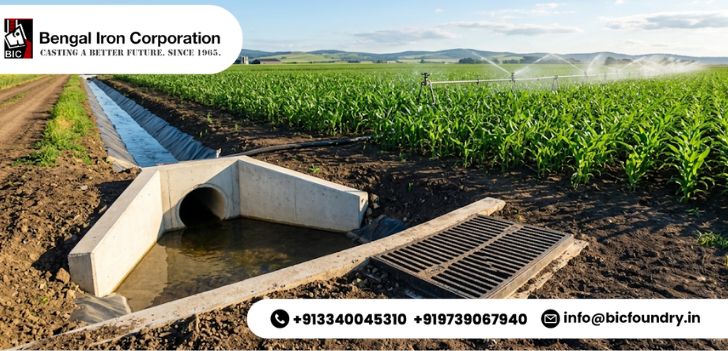
Proper water management is an important aspect in order for farming to be successful, and drainage systems play a vital role in this respect. Good quality components such as Agricultural Castings, ensure the efficiency of these systems in managing surplus water. Properly drained soil provides the right level of moisture for plants and avoids water logging.

The provision of adequate drainage systems helps in improving the quality of soils. This leads to proper water regulation, making it easier to utilize irrigation effectively. The farmer will be able to regulate the distribution of water in an efficient manner. He will use fewer resources and enhance production.

Various Ways Drainage Systems Contribute to Improving Irrigation Practices

A proper drainage system is very important in maintaining water balance in agricultural land. It helps in removing excess water and avoids the problem of waterlogging, enabling irrigation systems to function effectively and giving plants the appropriate amount of water.

Prevents waterlogging

The proper functioning of drainage system becomes very important when we talk about soil health since it assists in draining away surplus water from the soil. Thus the phenomenon of water logging which causes suffocation of plant roots and thereby retards their growth can be avoided. This allows plants to receive the necessary amount of water.

Supports long-term sustainability

Balancing the water content can help in saving water resources and prevent soil erosion. Utilization of high-quality infrastructural components manufactured by a reputable manhole cover manufacturer in India also helps create long-lasting drainage systems.

Improves irrigation efficiency

If farmers can drain the water off their land effectively, then the irrigation system will be able to provide adequate moisture distribution to their land. This means that farmers can conserve water by ensuring that none is wasted while at the same time distributing sufficient moisture to all parts of their land. Through such management practices, farming will become more productive and sustainable.

Enhances soil health

Drainage in soils is significant in ensuring that soils remain healthy. It helps to ensure that excess water does not accumulate in the soil because this may cause complications. Good drainage in soil will help plant roots develop and grow deeply into the soil. This promotes nutrient absorption and uptake by the crops and helps promote their health and growth.

Reduces the risk of crop diseases

Water retention in agricultural fields may be harmful to plant growth. The retention of water favors the formation of fungal and other plant diseases that can affect the overall health of the plants. Additionally, the retained water hinders plants from getting oxygen. To avoid such scenarios, it is essential to install a good drainage system. Drainage systems can play a role in draining excess water from critical locations. This solution not only helps maintain the proper amount of moisture but also creates a healthy atmosphere for the plants. Consequently, high crop production will be attained.

Conclusion

Well-designed drainage systems are vital for the efficient use of irrigation. Drainage systems ensure that there is no waterlogging, soil is healthy, and moisture is balanced in the soil, thus ensuring that the crops grow. In addition, drainage helps in improving the efficiency of irrigation, saving water, and reducing diseases.

Enquire Now

Get In Touch
×
Best Cast Iron Supplier Top Ductile Iron Manufacturer