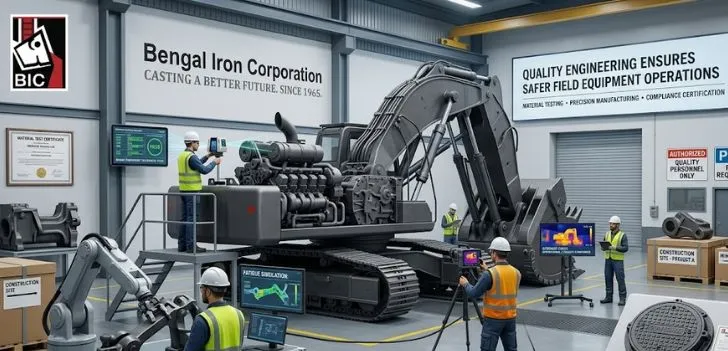
How Quality Engineering Ensures Safer Field Equipment Operations

Field equipment safety and reliability are very important to ensure in many different sectors, including construction, manufacturing, mining, and energy. The importance of having a reputable cast iron factory for the production of quality components for the machines cannot be underestimated because this will greatly help in improving the safety of the field equipment. This can be accomplished through quality engineering in which the components are inspected thoroughly.

The role of quality engineering is important when it comes to identifying the risks associated with design, manufacturing, and servicing of equipment. With the help of stringent quality control measures, manufacturers will be able to provide equipment that is capable of performing well despite pressure, extreme heat, and frequent operation.

Various Ways Quality Engineering Ensures Safer Field Equipment Operations

Quality engineering plays a critical role in ensuring that industrial machines become more reliable and durable. By following stringent quality criteria and conducting routine quality assessments, companies can minimize operational risks and avoid failure of their equipment.

Ensures high material strength and durability

Quality Engineering involves choosing quality raw materials and rigorous testing of the materials. The selected raw materials should be able to withstand immense stress and severe climatic conditions. This is particularly important in the case of agricultural castings, where machines have to operate under difficult and challenging agricultural environments. They have to withstand harsh conditions in order to reduce any kind of failure.

Enhances precision and performance

Advanced engineering helps in making accurate and consistent parts during manufacturing. It is through engineering that equipment can be designed and upgraded to make it more efficient and to minimize errors when operating. In addition to increasing productivity, such actions will lead to safer performance of tasks.

Supports compliance with safety standards

The importance of quality engineering cannot be understated in making sure that equipment and components are safe to use. An established manhole cover manufacturer India employs an exhaustive procedure in testing and certifying its manhole covers to make sure that they can cope with heavy traffic, withstand different kinds of pressure, and stand up against the elements. Such meticulous measures increase the reliability and longevity of manhole covers.

Increases worker and environmental safety

It is vital to keep the equipment safe and durable to prevent any accidents for employees in case of malfunction. In addition, emphasizing quality while producing the equipment ensures that there will be no harmful impact on the environment due to any leakage, breakage, or defective part of the equipment.

Improves equipment reliability

The employment of quality control measures can help in detecting defects and ensuring that machinery functions efficiently at its best. This is done in order to ensure that the machinery meets certain quality requirements before it is utilized for various tasks. This can ensure the reliability of the machinery, making it unlikely for any malfunction to occur.

Reduces maintenance and downtime

Carefully and precisely made components will always last longer. This implies that the components will suffer little wear and tear, thus eliminating the possibility of costly and unexpected repairs. The use of preventive quality management will help the industry to improve the durability of its equipment while saving money at the same time.

Conclusion

Engineers must place importance on quality engineering for creating safe, efficient, and durable field equipment. Through stringent testing and compliance with safety regulations, engineers will be able to ensure the durability and efficiency of field equipment, thus preventing any accidents.
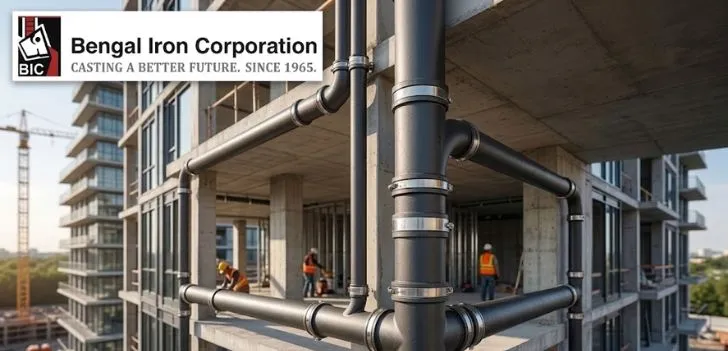
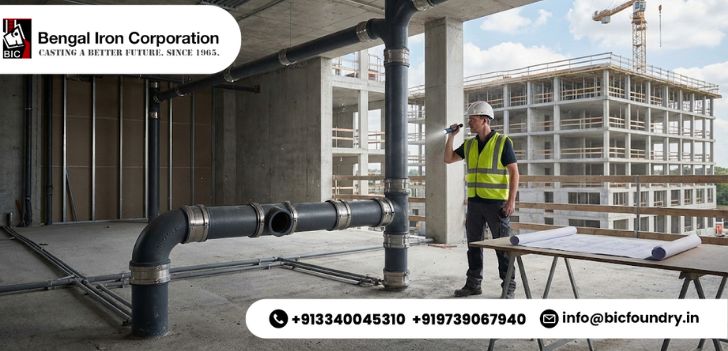
What Makes Hubless Iron Pipes Best for Building Projects?

At the time of carrying out building projects, several components are used. Among them, pipings form the most vital ones. Present-day building projects prefer going with cast iron over plastic piping.

Did you ever wonder about the actual cause for such a big change in terms of preferences? Highest reliability, longevity, and control over noise are some remarkable characteristics associated with cast iron pipes & fittings.

They have been considered among the time-tested solutions that are powering the drainage networks of India.

What role do Hubless Cast Iron Pipes play?

Unlike the old-fashioned cast-iron designs, hubless pipes do not comprise an enlarged end. Here, sections are joined with each other with the help of stainless steel couplings and rubber gaskets.

Such a great feature not only simplifies the installation part, but also makes it easy to replace in case of highly confined spaces. To get an idea about the variety of features, it will be good to go through the decent available hubless cast iron pipe price list by top manufacturers.

Are Hubless Cast Iron Trustworthy Enough?

Plastic pipes may win in terms of weight and cost, but in terms of strength and durability, cast iron pipes are preferable. In addition, their incredible longevity makes them among the most popular options for carrying out building projects.

If properly installed, then these pipes may last for over fifty years. This will protect the building as well as prevent the occupants from any type of accidents. Usually, the noise of water from pipes may seem very frustrating.

On the contrary, dense iron pipes absorb the noise that is the result of water flow. Such a great characteristic makes these pipes among the indispensable parts in high-rise apartments plus hospitals.

Are Cast Iron Rods Resistant to Fire Accidents?

Unlike PVC pipes, cast iron hardly emits any toxic fumes. Also, they do not melt easily during a fire, which has led to their being considered among the safer choices in almost every type of infrastructure.

From residential building projects to hospitals, almost everywhere, cast iron pipes & fittings are being installed. In terms of maintenance, low maintenance is the need to ensure smooth functionality.

Being resistant to warping, UV damage, and pests, cast iron pipes last for a long time. Just applying a colored coating quite often may prevent it from early rusting.

What are the Key Areas of Applications of Hubless Iron Pipes?

The applications for cast iron are not limited to fancy hotels and school buildings. They, for their exceptional features, are being used in modern-day construction facilities too.

Though the list is endless, some of the most common ones include the following:

  • Shopping malls
  • Airports
  • Drainage system
  • Premium apartments
  • Food-processing units
  • Manufacturing industries

As a Conclusion!

From above, it is clear that there are special features that make hubless cast iron among the most adorable choices for construction projects. Are you planning to include superb-quality manholes in and around your property?

Then your search for a trustworthy Manhole Cover Manufacturer in India may conclude at BIC. Among a wide range of options available, you can easily go with the one that matches your specifications.

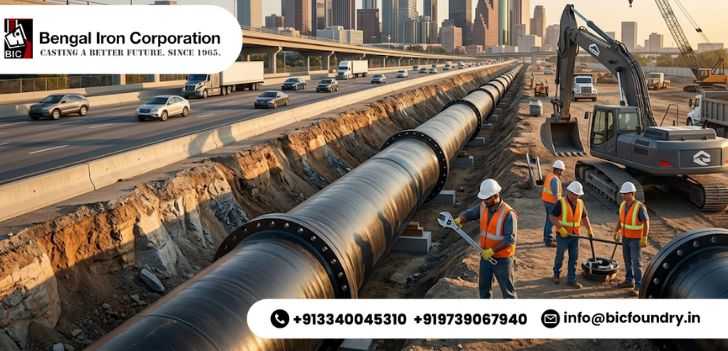
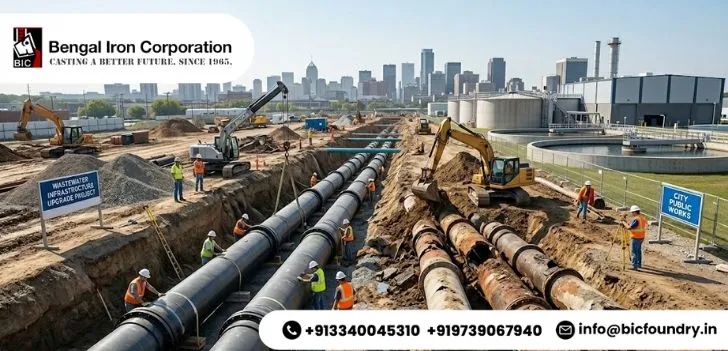
How Durable Pipelines Improve Long-Term Wastewater Performance

Wastewater management is one of the most vital tasks of modern infrastructure. Whether in industrial plants, municipal drainage systems, commercial facilities, or urban developments, pipeline systems are essential to every sector, enabling the safe and efficient removal of wastewater. But the most significant problems in a wastewater pipeline system are sudden leakage, corrosion, structural damage, and blockages.

In most cases, pipeline damage occurs due to poor design and the use of inferior materials. To address this challenge, industrial units and municipalities focus on durable piping solutions that withstand heavy loads and harsh environments. In such a scenario, an industrial unit depends on top-notch cast iron fittings manufacturers to buy durable, high-quality cast iron pipes for wastewater management. For long-term industrial infrastructure development, cast iron pipe is highly effective.

Now, let’s explore this blog to understand how durable pipelines can efficiently improve long-term wastewater performance.

Application of a durable pipeline for Wastewater Management

Durable wastewater pipelines that are made of cast iron are highly essential across several industries, such as.

  1. Municipal infrastructure
  2. Industrial plants
  3. Chemical processing plants
  4. Power plants
  5. Commercial infrastructure

How Durable Pipelines Improve Wastewater Performance

In this section, we will discuss how durable pipelines improve wastewater performance in the industry.

Better corrosion resistance

One of the biggest advantages of durable pipelines is their resistance to corrosion. When wastewater passes through pipelines, it mainly consists of moisture, chemicals, and different pH levels. Thus, a high-quality, durable cast-iron pipeline with protective coatings can significantly extend service life and reduce the risk of internal damage.

For industrial units, corrosion-resistant pipelines can reduce replacement costs, reduce operational disruption, and improve environmental safety.

Longer service life

Modern infrastructure mainly focuses on long-term sustainability. Durable cast-iron pipelines work efficiently for several decades with minimal maintenance. A longer service life for durable pipelines helps municipalities and industries reduce capital expenditure over time, improve return on investment, and minimize repair-related operational disruption.

Improve structural strength

Wastewater pipelines are often installed underground, where soil pressure, heavy vehicle loads, ground movement, and vibration from industrial operations are major challenges. In such a scenario, strong pipelines are designed to withstand external pressure without deforming. These unique features are suitable for municipal sewage systems, industrial wastewater plants, underground drainage systems, and large-scale infrastructure development.

If you plan to buy a cast-iron piping system for wastewater management and enhance the structural strength of your industrial unit, check the hubless pipe fittings catalog. It will help you understand the range of piping diameters and their quality, which are vital for a customized piping system.

Reduce maintenance and downtime

One of the biggest operational challenges in wastewater management is the excessive downtime caused by sudden pipeline failures. Thus, a durable pipeline is highly essential for wastewater management, reducing emergency maintenance, leakage repair, system shutdowns, and replacement costs. In industrial operations, fewer interruptions in the wastewater piping system can improve productivity.

Better flow efficiency

Efficient wastewater flow through pipelines can prevent blockages and overflows. To safeguard industrial units from blockages and operational inefficiency, durable pipelines should be a reliable choice. Durable pipelines are designed to maintain smooth internal flow over time.

It helps reduce sediment buildup, prevent clogging, improve drainage performance, and support continuous wastewater transportation. In industrial plants that handle high-volume wastewater discharge, a durable cast-iron pipe is highly effective.

Conclusion

A wastewater system has been essential for managing industrial operations and serving communities for decades. If you are planning to install a durable pipeline solution to ensure smooth industrial operations, you can contact Bengal Iron Corporation (BIC). We are a top-notch manufacturer and supplier of premium-quality cast iron piping systems for robust wastewater management infrastructure.

Why Iron-Based Pipelines Continue to Thrive in the Industry

Underneath our modern society, there is a powerful infrastructure that offers basic services to our industries like water, oil, and gas. Among all these materials used for making these facilities, iron pipes are at the forefront in terms of strength. With decades of experience behind these iron pipes, their strength and flexibility are unmatched. They are not just a thing of the past; they are a necessity for our evolving industrial scene. So, with the assistance of the best CI pipes and fittings manufacturer, you can have an amazing piping system.

Iron-based pipelines are also known for their flexibility without compromising their strengths. Modern technology has improved traditional iron pipelines in terms of coating and protection against corrosion. This has allowed traditional iron pipelines to keep pace with modern standards. These are a guarantee for urban centers and industrial activities, given that they offer a perfect blend of cost, durability, and sustainability.

Their existence is a proof of their contribution to the industry’s future.

Various Reasons for Iron-Based Pipelines Continue to Thrive in the Industry

In an ever-changing industry like this, iron-based pipelines remain a thriving solution. Their strength and durability make them suitable for any project that requires such characteristics.

Exceptional strength and durability

Ductile iron pipelines, when procured from the best hubless cast iron pipe catalogue, are known for their strength and durability. They can handle high pressure, heavy loads, and external stress well. This makes them a great choice for underground installations and tough industrial settings where it’s important to keep structures strong over time.

Improved corrosion resistance

Modern iron pipelines have improved a lot and are now much less prone to corrosion than older versions. They use advanced protective linings and coatings to guard against harsh environments. Sophisticated cathodic protection systems are also important for maintaining their strength. Because of these improvements, even in tough soil and water conditions, these pipelines can last much longer, providing reliable service for many years.

Sustainability and recyclability

Iron is a very recyclable material and is therefore a good candidate for construction and infrastructure development projects. Many pipelines are made of recycled iron, a testament to a desire for a sustainable future. Once these pipelines have served their purpose, they can be recycled and put to another use, a testament to a desire for a more environmentally friendly approach to construction and infrastructure development.

Cost-effectiveness over time

Iron pipelines are more expensive to install than some other alternatives. However, iron pipelines are extremely durable and require little maintenance. They are able to last a long time. In this case, even though iron pipelines are more expensive to install than some alternatives, their advantages in the long run can be considered cost-effective.

Long service life

The iron-based pipelines can last for many decades if they are installed and maintained properly. They can last between 50 and 100 years or even more. Therefore, this means that iron-based pipelines require little replacement. This is one of the reasons why iron-based pipelines are cost-effective.

High load-bearing capacity

Iron pipes are able to withstand heavy loads from traffic, soil pressure, and environmental factors. These are some of the reasons iron is a good material for infrastructure development in areas like cities. In this case, pipelines are laid underground and even underneath heavy infrastructure like roads and buildings. They are able to withstand heavy conditions.

Conclusion

Iron-based pipelines have succeeded by striking a balance between tradition and innovation. This is due to their durability, longevity, and ability to be used in modern-day engineering practices, making them reliable in a field where reliability is a prerequisite. Instead of replacing the pipelines, they have transformed to meet the needs of the modern world in terms of performance and environmental concerns. As the needs of infrastructure continue to increase in complexity, the longevity of iron-based pipelines makes them a viable option for the future in terms of practicality, cost-effectiveness, and sustainability.

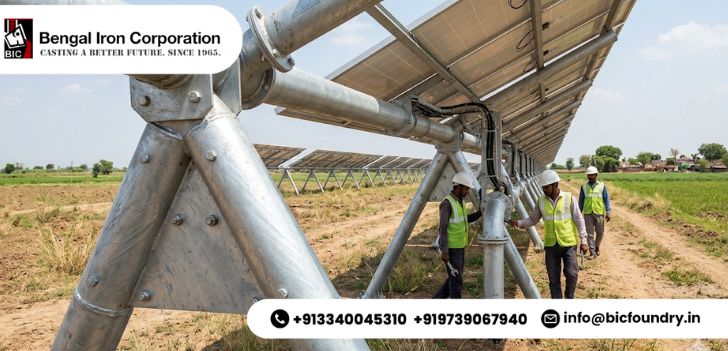
Why Heavy-duty Ferrous Pipes are Best for Solar Mountings?

In the fast-paced, developing solar-based industry, high durability and reliability are vital. That is why heavy-duty ferrous pipes are becoming one of the top choices for the construction of solar mounting systems.

These pipes are not only resistant to corrosion but also easy to install and of exceptional strength. Whether you are looking to go with high-quality pipes for homes or for large-scale solar projects, iron pipes by trustworthy CI pipe manufacturers in India can ensure high tensile strength for a long time.

Can Heavy-duty Iron Pipes Withstand Environmental Impact?

Heavy-duty iron pipes are inclusive of a protective coating of zinc, which is helpful in preventing rusting and corrosion. Such a great feature makes these pipes highly resistant to corrosion.

Also, they become capable of withstanding moisture and other types of environmental wear. As a final outcome, solar panels remain in a highly secure state for years. It helps in avoiding maintenance costs, finally ensuring consistent energy output for a long time.

Do Ferrous Pipes Guarantee Exceptional Durability?

Whenever it comes to building solar structures, the materials chosen make a difference. It will be better to go with the ones that offer high tensile strength and are easy to handle.

Ferrous pipes manufactured by top companies ensure the highest form of stability even under heavy loads. Also, they will be helpful in keeping solar arrays highly secured and efficient.

Does it Require A Hefty Investment?

Choosing the right type of heavy-duty ferrous pipes for long-term solar mounting implies lower maintenance costs. Also, it will help avoid unwanted replacement hassles frequently.

With exceptional lifespan and durability, the installation of such pipes may fetch a high return on investment for solar projects. They are easy to cut, weld, and install due to which these pipes are engineered for high precision.

Consistency in terms of quality and dimensions makes sure that the solar mounting system so formed meets engineering standards. With minimum labor required, it may prove to be a cost-effective solution.

Is there Any Guarantee about Environmental Resilience?

This is one more exclusive feature associated with heavy-duty iron pipes. From exposure to sun to coastal humidity, ferrous pipes ensure a great appearance and high strength.

Such an exceptional feature confirms the suitability of cast iron pipes for solar structures. Being suitable for long-term outdoor usage, the installation of such pipes may be a generous decision.

What are Some Additional Applications of Grey Iron Pipes?

The high strength and longevity make grey iron pipes highly popular in a myriad of applications. They are manufactured using high-quality iron, silicon, and carbon with traces of the following elements:

  • Sulphur
  • Manganese
  • Phosphorous

During the casting process, the iron is totally melted before being poured into moulds to take the desired shape and size. Along with solar mounting, the additional applications include:

  • Rooftop solar systems
  • Agricultural solar structures
  • Ground-mounted solar panels
  • Solar framing systems
  • Bus body applications, etc.

By browsing the hubless cast iron pipe price list prepared at Bengal Iron Corporation, you may come across a decent collection of grey iron pipes. Taking expert opinion may help in making an appropriate selection as per the project.

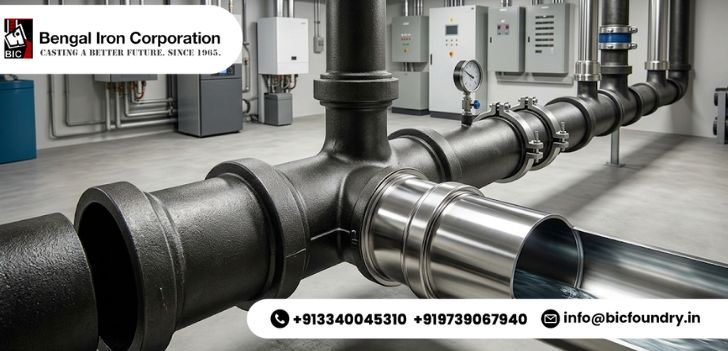
Benefits of Using Metal Drainage Pipes in Plumbing

Metal drainage pipes are a great choice for plumbing systems. They are strong, reliable, and long-lasting. Hubless cast iron pipe catalogues are suitable for both homes and businesses. They can handle high water flow and withstand varying environmental conditions. Their strength also makes them a leading choice for drainage systems since they can be relied upon for many years.

Metal drainage pipes are strong and come with a host of benefits that make plumbing systems easier to set up. Metal pipes do not corrode easily and can also withstand high temperatures. As a result, they do not crack easily due to pressure like other drainage materials.

Various Advantages of Using Metal Drainage Pipes in Plumbing

Metal drain pipes are the most preferred type of pipe for use in plumbing due to their strength, durability, and long life. They are effective for handling high flow rate water, especially under harsh conditions.

Durability and strength

Metal pipes, made from materials such as stainless steel and cast iron, are very strong and can last for a long time. They can handle heavy water flow and high pressure, as well as external impacts. Unlike plastic pipes, which can become brittle or bend over time, metal pipes keep their shape and strength. This makes them a great choice for long-term use. Their ability to resist cracking and shape changes under tough conditions ensures they work reliably, giving peace of mind for both business and home plumbing systems.

Longevity

Metal drainage pipes have a long lifespan. In fact, these durable pipes can outlast the lifespan of other pipes. This means that the drainage system will be effective because the pipes will be long-lasting. This will give the homeowner or builder the confidence that the investment will be worthwhile.

Fire resistance

Metal pipes are safer than plastic pipes in the event of a fire. This is because metal pipes do not catch fire. In addition, the pipes do not produce harmful fumes. This makes metal pipes a very safe choice. This provides peace of mind. This helps to ensure that the building remains strong.

Noise reduction

Certain types of metal, like cast iron, can effectively absorb sound. This will ensure that the sound of the flowing water is minimized. This can be particularly important for buildings that have a large number of floors. This can be disturbing to the inhabitants of the building. Using cast iron can ensure that a quiet and peaceful atmosphere is maintained for the inhabitants of the building.

Corrosion and heat resistance

Metal pipes are resistant to corrosion. This can be particularly true for stainless steel. These strong pipes can withstand the test of time and environmental changes and handle high temperatures well. This makes them great for hot-water drainage or for places with frequent temperature changes. Their durability ensures they remain effective in a variety of tough conditions.

Better flow efficiency

Metal pipes have smooth and shiny insides that help water and waste flow easily. This design reduces the chances of clogs and buildup. This implies that a well-designed pipe system will promote proper drainage with little or no interruption. This implies that there will be little or no maintenance, thus proper management of water and wastes.

Conclusion

Metal drainage pipes are efficient, durable, and safe for use in the plumbing system. Metal pipes are resistant to heat as well as corrosion. This implies that the pipes have a long lifespan. This makes them appropriate for use in different settings. With the use of metal drainage pipes, you will have no worries regarding the draining of water as well as the maintenance of the pipes. If you need quality metal pipes, including IS 3989 pipes, BIC India is the answer to your needs.

Why No Joint Pipes Rule The Future Of Buildings?

Building a proper plumbing system is an important part of residential and commercial buildings. Drainage leaks often happen and need immediate repair. Even the smallest of leaks is responsible for foul odours, water damage, and even structural deterioration. Installing IS 3989 hubless cast iron pipe fittings is the best way to address such costs and issues.

Reasons Why Hubless Pipes and Fittings Are the Best

There are a number of reasons why builders prefer no joint pipes. Check out some of the following:

Fewer Connection Points

Old piping systems had multiple joints and glued connections. Each point was more likely to develop as a potential weak joint owing to age, poor installation and pressure changes. These possibilities are reduced by the usage of straight pipes and hubless pipe fittings. Since the number of external points for seepage is reduced, these are likely to last longer.

Better Mechanical Connections

These piping systems do not use threaded joints or adhesive. Mechanical couplings that last longer replace the joints and create a proper seal around the mouth of the pipe. The pressure thus gets divided uniformly, and gaps are prevented under any circumstance, including pressure and thermal expansion.

Improved performance

It is normal for pipes to expand or shift when the building does the same due to temperature changes or a seismic shift. If the joints are rigid, they tend to become loose or cracked. But in the absence of joints like those in the hubless cast iron pipe catalogue, flexibility increases at the connection points and the pipes do not break or become damaged.

Managing Installation Errors

The presence of multiple joints and connections is likely to introduce errors when the pipes are being set. Sometimes the glue is unevenly set, or the threads are misaligned; this leads to leakage from the joints. But with mechanical coupling, these issues can be avoided, and proper installations can be done.

Durability, Safety, and Noise Reduction

The hubless cast iron pipes and fittings are corrosion-resistant and made of a very hard alloy. When combined with the right connectors, the longevity increases in high-rise buildings and hospitals. The coupling used for these pipes helps in maintaining pressure and can be easily changed to connect with other pipes in case of an emergency. Therefore, these are perfect for fire safety measures. Cast iron pipes have a sound-dampening quality, which ensures that the plumbing system is much quieter.

Conclusion

To conclude, it can be said that hubless cast iron pipes and fittings are always the best for any building. To buy cast iron products, call Bengal Iron Corporation.

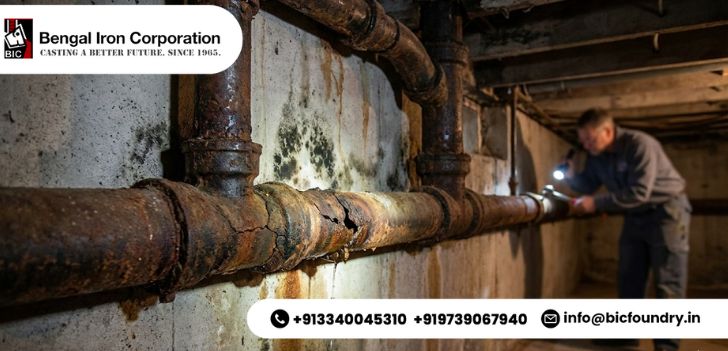
How to know When Cast Iron Pipes Need Repair or Replacement?

Cast iron pipes last up to 70-odd years in any building easily with a bit of maintenance. Even while degrading, they can last easily up to 100 years. Cast iron pipes have been the first choice for builders because of their strength and durability. Also, the fact that they can be recycled only adds to their popularity. But over time, the pipes degrade and need repair or in some cases, replacement.

Why Pipes Need to be changed?

Cast iron pipes are not immune to rust and old age. There are several other reasons for cast iron suppliers near you to bring in new stock to your home or company for replacement.

Rust

Iron and water combine to form rust, and cast iron pipes get compromised all the time. Acidic water or soil in sewage is responsible for accelerating the process. Gases are formed inside the system, which further brings down the plumbing system. Aging pipes tend to be more susceptible to it.

Root Damage

Tree roots often find their way to pipes with flowing water. As they try to reach the water source, the pipes often get cracked. The roots keep growing inside the pipes, causing damage and blockage.

Temperature

Extreme temperature also leads to cracks in pipes because they constantly increase and decrease due to temperature.

How to Spot the Signs?

As the pipes corrode over time, they show signs that it is time to change or replace them. Here are some of the symptoms:

  • Cast-iron pipes tend to develop leaks.
  • Mould growth starts from the parts where the leak has developed. The temperature changes further accelerate their growth.
  • Pipes help in the passage of water and gases. Foul-smelling gas emanates from them in case of the development of a crack.
  • Discoloured water also comes out of the cracks in the pipe.
  • A damaged cast-iron pipe will have an infestation of bugs and rodents.

Once these signs are spotted, it is best to replace the cast iron pipes. Repairing is a possibility, but it will be a temporary solution only. You can take the help of professionals for replacing your cast iron pipe. For the replacement, you will need a hubless pipe fittings catalogue to choose the fittings for the replacement.

Conclusion

Cast iron pipes and hubless pipe fittings are the best for any building. Call Bengal Iron Corporation for all your cast iron requirements and replace your old one today.

Maintenance of Grey Iron Flanges: Everything You Must Know

We all know grey iron or cast iron (CI) pipes are a vital pipeline component. Hence, proper maintenance of CI pipes is essential to ensure the stable, long-term functioning of the pipeline system. The following are effective ways to maintain cast iron flanges in optimal condition. Contact a reputable CI pipe manufacturer in India if you are also searching for top-notch cast iron pipes and fittings.

5 Key Aspects of Maintaining the Cast Iron Pipes

Are you familiar with the key aspects of maintaining the cast iron pipes? Go through the next segment to learn how to upkeep the cast iron pipes further.

Regular Evaluation & Inspection of Cast Iron Pipes

The first significant method for maintaining cast iron pipes is regular inspection and evaluation. Regular inspections of the pipe surface are necessary to check for leaks, cracks, rust, and other damage. At the same time, it’s essential to examine the pipeline interface sealing to ensure there is no leakage.

You can conduct crucial performance evaluations based on the working environment and service life of the pipeline. Using professional testing methods, assess key indicators, including pipeline corrosion resistance and pressure-bearing capacity. All these offer a basis for subsequent upkeep and maintenance.

Perform Anti-Corrosion Treatment on Grey Iron Pipes

Another notable way to maintain CI pipes is to perform anti-corrosion treatments. Since CI pipes transport corrosive media, internal anti-corrosion treatments are necessary. These treatments can enhance the corrosion resistance of the pipeline’s internal wall. Very similar to internal anti-corrosion treatment, external anti-corrosion treatment is also a pivotal part of CI pipes maintenance.

Wrapping with anti-corrosion layers, coating with anti-corrosion paints, and other methods can isolate the pipeline from the outer atmosphere, preventing recurring corrosion. At the same time, for buried pipelines, it’s crucial to consider the soil environment’s impact on the pipeline and to implement complementary anti-corrosion measures. To get a fair idea of the hubless cast iron pipe price list, contact our experts now.

Unclog & Clean the CI Pipes

Regular cleaning and unclogging of pipes is essential to maintaining them in optimal condition. Regularly remove impurities, sediments, etc., from the pipeline to prevent them from affecting the medium’s normal flow. You can use mechanical cleaning, high-pressure water flushing, and other methods for this. For blocked pipelines, you must use regular dredging methods, such as chemical or physical dredging.

Repair & Replace CI Pipes

When we talk about maintaining the CI pipes, we can’t ignore the need to repair and replace them. For local issues such as rust and cracks, repair, welding, and other methods can be helpful. While fixing the pipes, ensure the repair materials are compatible with the original pipeline components.

You should also ensure that the quality of pipe repair meets relevant standards. For severely obsolete grey iron pipes that can’t be repaired, it’s better to replace them promptly as a whole. When replacing pipes, always select high-quality pipes and fittings that meet the required specifications to ensure the new pipeline’s service life and quality. You can contact a leading manufacturer to check out the hubless cast iron pipe price list.

Emergency Response & Archive Management

Last but not least, the crucial aspect of maintaining the CI pipes is emergency response and archive management. Develop an extensive pipeline archive management network to record pipeline materials, service life, specifications, and maintenance records. You should also focus on creating a comprehensive emergency response plan that you can quickly activate in the event of ruptures, leaks, and other emergencies. These practical measures can help control the situation as a whole and reduce impacts and losses.

Wrapping Up

In summary, the maintenance and ongoing upkeep of cast iron pipes and fittings is a systematic project that requires several of the aspects mentioned above. Through these maintenance and upkeep measures, you can ensure the stable, long-term functioning of CI pipe networks, providing strong support for production across different sectors. Get in touch with Bengal Iron Corporation, one of the best CI pipe manufacturers in India, if you are also looking for precision-engineered cast iron pipes and fittings. With a broad spectrum of top-grade products, our business is highly diverse. If you are also interested in our products, feel free to reach out to us.

How Pipe Roughness Affects Flow Efficiency Over Time

Pipe roughness has a tremendous impact on piping system fluid flow efficiency. It is the inherent imperfections on the inner surface of a pipe that creates fluid flow resistance. New pipes, specifically smooth pipes like PVC or copper, have zero or negligible resistance and therefore good flow. In the long term, corrosion, scaling, and sedimentation can lead to greater roughness causing higher friction and lower flow. With the best hubless cast iron pipe catalogue, you never encounter any piping issue.

With pipe roughness, friction resistance and pressure drop increase, leading to loss of energy in the system. Increased pumping power must be provided, and associated costs, as well as affect performance. In others, even the flow rate decreases at the same pumping power. It is hence important to observe how pipe roughness varies with time. It is crucial for good, cost-effective operation of fluid conveyance systems.

Various Methods Through Which Pipe Roughness Affects Long-Term Efficiency of Flow

Pipe roughness is the irregular surface on the inside of the pipe that enhances resistance to fluid movement. Roughness is created through deposition and corrosion of sediment and causes elevated friction losses, reduced efficiency of flow, heightened pressure drops, and greater energy consumption.

Definition of pipe roughness

Pipe roughness refers to the minute defects and irregularities of the pipe’s inner surface. Minute defects warp otherwise smooth fluid flow, generating resistance and energy dissipation, which can be quantified as the fluid passes through the pipe.

The cumulative effect of the disturbances over time may be the diminishment of fluid transport efficiency, and therefore the importance of IS 3989 pipe roughness to enhance fluid dynamics in systems.

Energy loss and pumping cost

The more the internal roughness of a pipe, the more is the fluid flow friction loss. Larger roughness corresponds to higher turbulence, and therefore more energy is utilized in pumping at the same flow rate. In the long term, this additional energy requirement is also reflected in the form of increasing operating cost and reduces overall efficiency of flow, influencing performance as well as use of resources.

Reduced flow rate

Increased roughness with static pumping power unquestionably results in lower flow velocity and discharge. This is at the cost of high system performance, particularly in systems of high pipeline or distribution length.

Maintenance and material selection

The anticorrosive such as PVC, HDPE, and stainless steel need to be used in order to be capable of controlling the rise of roughness effectively. Descaling and general cleaning are fundamental processes that can regain efficiency by a large extent very easily. Coatings such as epoxy lining are highly capable of preventing any kind of rise in roughness.

Long-term performance impact

Flow efficiency will get increasingly worse as time goes on. Progressive roughness-avoiding systems will experience catastrophic pressure deficits or poor flow at arrival points. Thus, pipe systems are created by designers with a “roughness allowance” to maintain optimal performance and integrity.

Conclusion

Pipe roughness in general has a significant impact on long-term fluid flow performance. After pipes are worn and inner surfaces are roughened by corrosion, scaling, or deposition, friction resistance will be greater and energy loss and lower flow rates will be apparent. Not only does it decrease the system efficiency, but also running and maintenance expenses are raised. It should be prevented from creating roughness by ongoing cleanup, i.e., corrosion-resistant materials, and checking for smooth flow in the long run.

Enquire Now

Get In Touch
×
Best Cast Iron Supplier Top Ductile Iron Manufacturer